
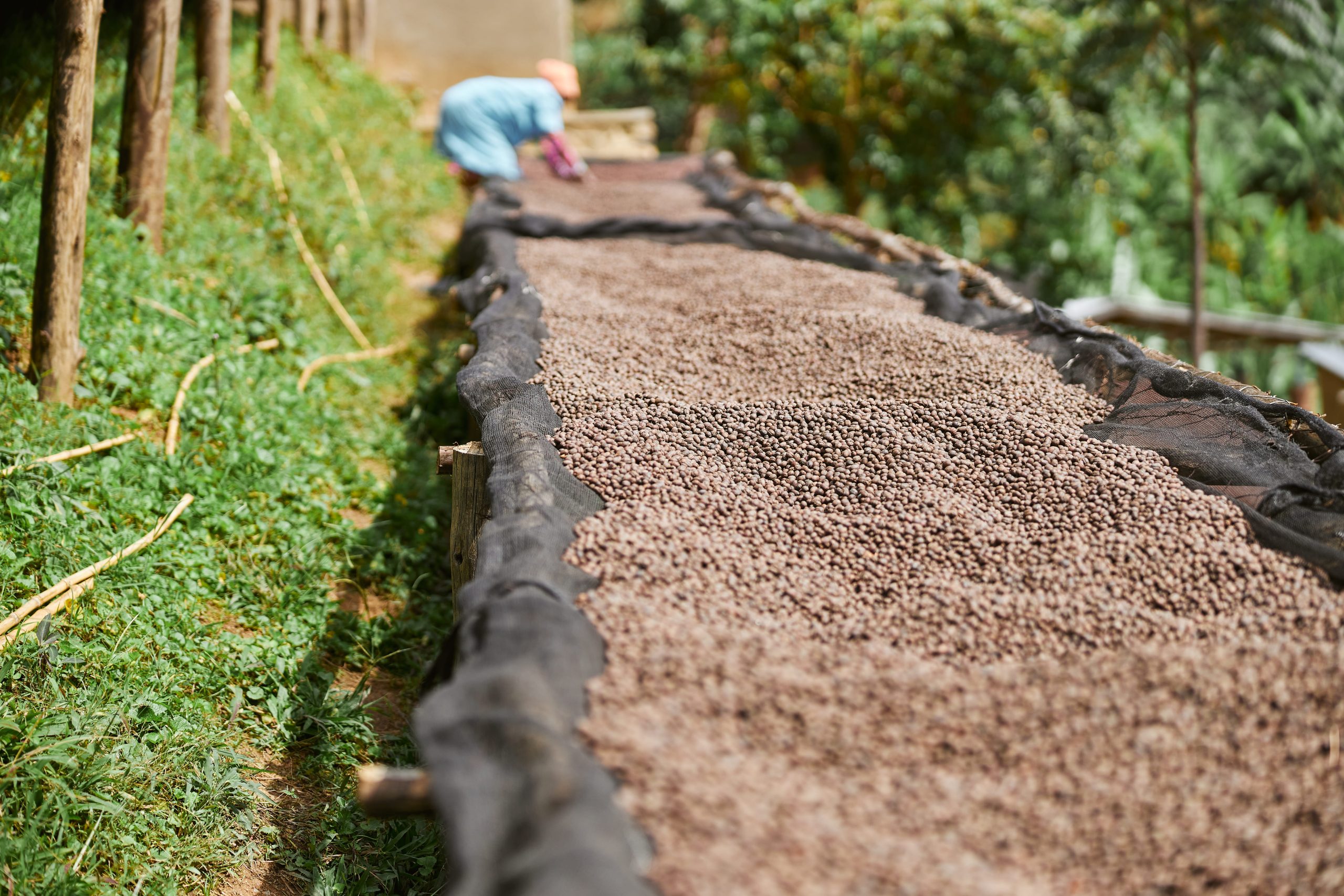

Indonesian coffee continues to gain international attention because of its diverse origins, distinctive flavour profiles and the sheer range of what the country can supply — from commercial Robusta by the container to small lots of high-grown Arabica. This article explains why importers, roasters and private-label brands keep coming back to Indonesia, and what to check before you sign a contract.
Why buyers look to Indonesia
Indonesia is one of the world’s largest coffee producers and one of very few origins that can offer Arabica, Robusta and Liberica at export scale. The archipelago’s volcanic soils and highland regions on Sumatra, Java, Sulawesi, Bali, Flores and Papua produce Arabica with very different characters, while the lowlands of Lampung, South Sumatra and East Java supply the Robusta that anchors espresso blends and instant coffee around the world.
Three things make the origin attractive to professional buyers:
- Origin diversity. Gayo (Aceh), Toraja (Sulawesi), Kerinci (Jambi), Java Preanger, Kintamani (Bali), Bajawa (Flores) and Wamena (Papua) each carry a recognisable name in the specialty market, so a roaster can build a whole Indonesian range from one supplier.
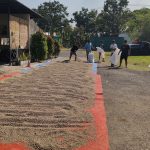
- Processing variety. Sumatra is famous for wet-hulled (giling basah) coffee with its heavy body and low acidity, but Java and Bali produce fully washed and semi-washed lots, and honey and natural processing are now common in West Java. A buyer can specify the process, not only the region.
- Both commercial and specialty grades. The same sourcing network can fill a commercial Robusta contract and a micro-lot Arabica order, which simplifies logistics for importers who serve several customer segments.
What international buyers actually ask for
Demand is growing, but the questions buyers ask have become more precise. Roasteries, distributors and café chains now expect:
- Consistent grading. Screen size, moisture content, defect count and crop year written on a specification sheet — and the same numbers in the sack when it lands.
- Traceability. Region, altitude, varietal and process recorded per lot, so the second container can be matched to the first.
- Documentation that clears customs. Certificate of Origin, phytosanitary certificate, fumigation certificate, packing list, commercial invoice and bill of lading, prepared alongside production rather than after the goods are packed.
- Samples before volume. A cupping sample and the paperwork that goes with it, so the buyer’s quality team can approve the profile before the order is placed.
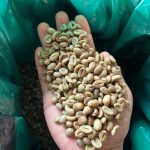
- Flexible formats. Green beans for roasters, roasted coffee for retailers and hospitality groups, and instant or sachet formats for convenience channels.
Green, roasted or instant: choosing the right format
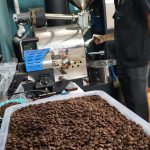
Most importers still buy green coffee, because roasting close to the consumer keeps the product fresh and lets the roaster own the flavour. But two other formats are growing quickly. Roasted coffee packed under the buyer’s own brand lets a distributor or café group launch a product line without investing in a roastery — our private label programme starts at 30 kg for white-label recipes and 100 kg for a fully branded product. Instant and sachet coffee, such as single-serve 18 g Kopi Susu sticks, serves hotels, convenience retail and markets where ready-to-mix coffee is the everyday format.
How Jaad Food supplies this demand
PT Jaad Food Indonesia sources, grades, dries, roasts and exports from a single facility in Bandung, West Java. We buy from four Arabica origins we know by name — Java Preanger, Gayo, Kamojang and Garut — with altitude, varietal and process recorded per lot, and we carry Robusta and Liberica lots alongside them. Every shipment leaves with the Certificate of Origin, phytosanitary and fumigation certificates, packing list, invoice and bill of lading; a certificate of analysis, safety data sheet and product specification sheet are issued on request. You can read the full list on our export documents and compliance page.
If you are evaluating Indonesian coffee for your market, the fastest route is to tell us your country, the product and the volume you plan to buy. We will come back with samples, a specification sheet and a realistic answer on price and lead time.
Related reading: what determines green coffee quality and the flavour profiles of Indonesia’s specialty origins.