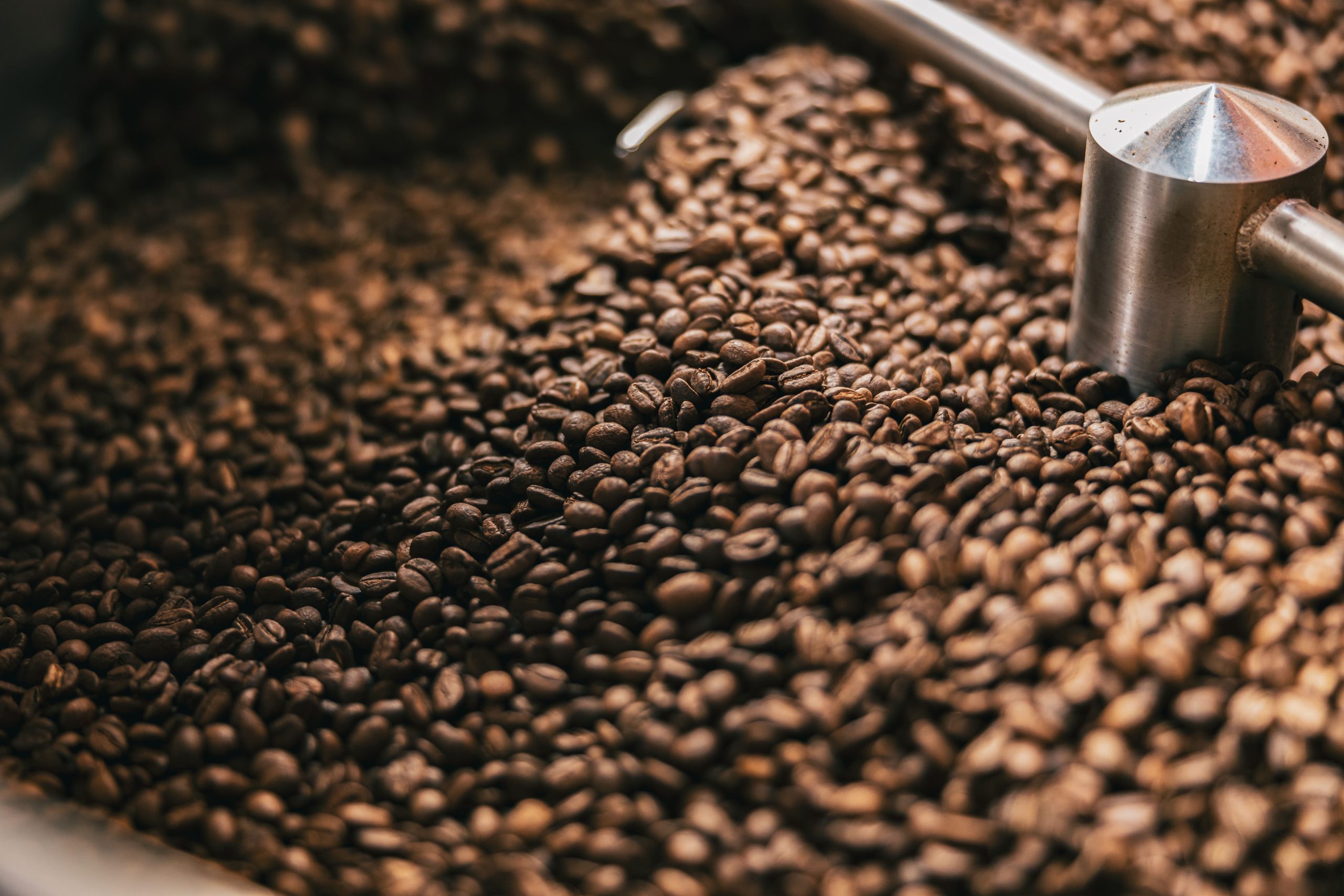

Roasted coffee beans have become one of the most important products for cafés, retail brands and online coffee businesses. For these buyers the coffee is not only an ingredient; it is the taste their customers come back for, the brand on the shelf and, increasingly, the parcel that arrives at a customer’s door. This article looks at what each channel needs from a roasted coffee supplier and how to specify a product that holds up order after order.
Consistency is the product
A café or brand can survive a coffee that is merely good. It cannot survive a coffee that tastes different every month. Consistency starts with a documented roast profile — charge temperature, development time and drop temperature written down and repeated on every batch — and with a supplier who locks the green coffee recipe behind the profile so a substitution cannot creep in. When you evaluate a roaster, ask whether your profile will be recorded and stored, and whether reorders are roasted to that record rather than to memory.
What cafés need
Most café volume goes through milk-based drinks, so the house espresso needs body, sweetness and a stable crema that stands up to steamed milk. That usually means a blend — often with a Robusta component — roasted a little darker than a filter coffee. A second, lighter single origin for filter or manual brew gives the menu a premium option. Cafés also need a roast date on every bag, freshness through a short supply chain, and grind options for equipment that does not have its own grinder.
What retail and e-commerce brands need
Retail buyers think in shelf life, packaging and margin. Whole-bean and ground coffee in valve bags keeps well for months when it is nitrogen-flushed or packed promptly after roasting; drip bags and single-serve sachets open convenience channels where a customer has no equipment at all. For online brands, the practical questions are minimum order quantity, lead time for reorders, and whether the roaster can print the brand on the packaging so the parcel that arrives looks like the brand, not the roastery.
Blend or single origin?
Blends give balance, crema and price stability, and they are the right choice for a house espresso or a mass-market retail bag. Single origins — a Gayo natural, a Java Preanger washed, a Kamojang honey — give a story and a distinct flavour for manual brewing and premium retail. Most successful ranges carry both: one or two blends that do the volume, and a rotating single origin that keeps the range interesting. We have written separately about why blends are so popular in cafés and about Indonesia’s specialty origins.
Roasted coffee from Jaad Food
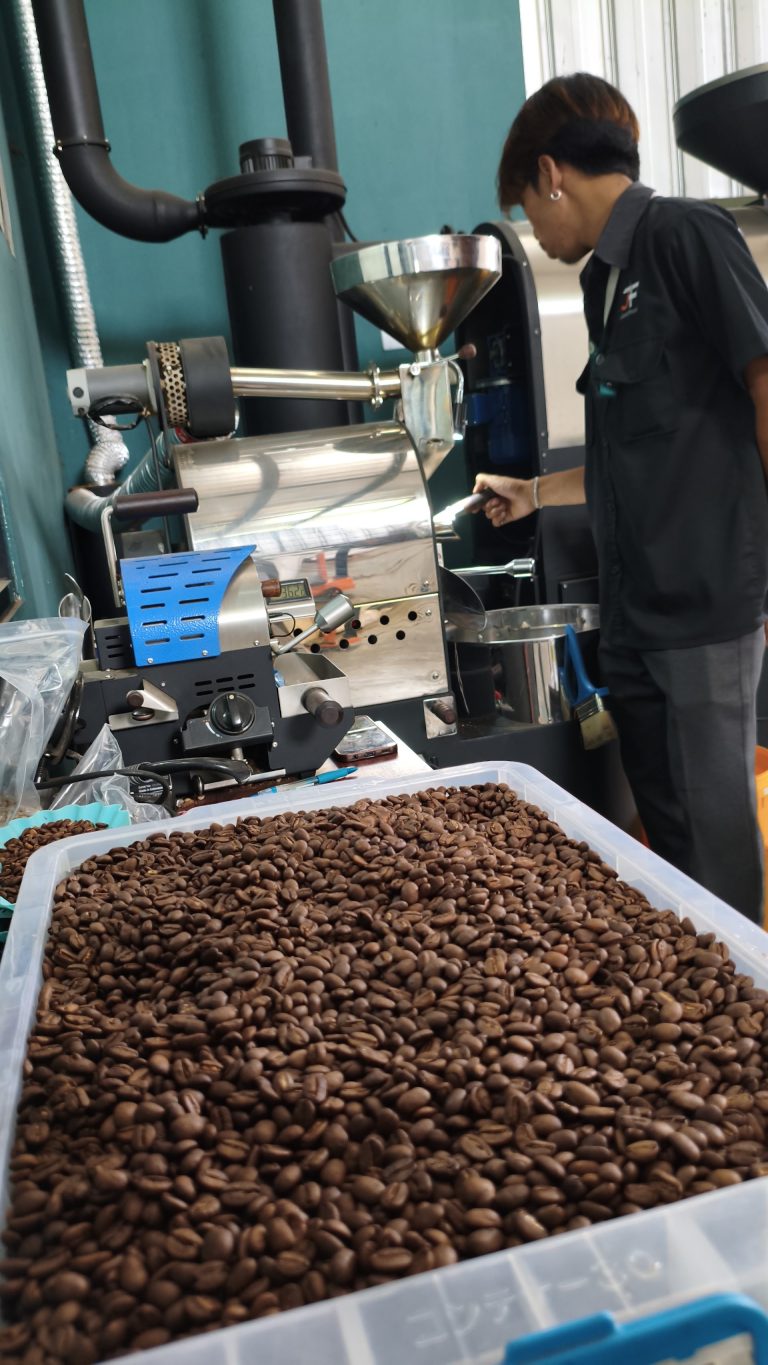
We roast in our own facility in Bandung, West Java, to a documented profile, so the second container tastes like the first. Roasted coffee is available as espresso and house blends or single origins, in whole bean, ground or drip-bag formats, with the roast date printed on every batch and cupping notes issued with the first production run. For businesses that want their own brand on the bag, our private label and contract roasting programme publishes its minimums up front: white label from 30 kg with a 7-working-day lead time, private label from 100 kg, custom blends from 150 kg, and contract roasting quoted per project. Our Kopi Susu Blend line in 18 g single-serve sticks is also available for private label in retail bags and outer cartons.
For retail packs and small quantities inside Indonesia, our roasted coffee is sold under the Jaad Coffee brand at jaadcoffee.com and on Shopee, Tokopedia and TikTok Shop. Export and wholesale orders are handled here.
How to start
Send us a brief: the market you sell in, the drinks or products the coffee is for, the volume you expect per month and your target price. We will tell you what is realistic, ship samples for you to cup, and lock the profile and artwork before the lead time starts. Request roasted coffee samples or read more about our green, roasted and instant coffee.