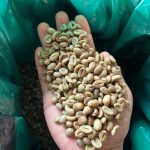


Specialty coffee gives customers a deeper experience through origin, process, aroma and flavour complexity. Unlike commercial coffee, which is traded on grade and price, specialty coffee is bought for what a specific lot tastes like — and Indonesia has more recognisable specialty origins than almost any other producing country. This article walks through the main Indonesian origins, what shapes their flavour, and how to source them.
What makes coffee “specialty”
In the trade, specialty coffee is Arabica that scores 80 points or more on the Specialty Coffee Association’s 100-point cupping scale, with a low defect count and clear traceability to a region, farm or cooperative. In practice it also means the coffee is sold with information a commercial lot does not carry: altitude, varietal, process, crop year and cupping notes. Specialty roasters and premium retailers pay for that information because their customers buy the story as much as the cup.
Indonesia’s specialty origins
- Gayo (Aceh, Sumatra). Indonesia’s best-known export origin, grown around 1,200–1,600 metres. Traditionally wet-hulled for a heavy, earthy, low-acid cup; natural-processed Gayo is deep, syrupy and fruit-forward.
- Toraja (South Sulawesi). Full body, spice and dark-chocolate depth with a long finish. A classic for medium-dark roasts.
- Kerinci (Jambi, Sumatra). Grown on the slopes of Mount Kerinci; washed and honey lots often show bright fruit and a cleaner profile than the Sumatran stereotype.
- Java Preanger and Kamojang (West Java). Java is one of the oldest coffee-growing regions in the world. Preanger lots are clean, balanced and full-bodied; Kamojang honey-processed coffee is sweet, tea-like, with gentle acidity.
- Garut (West Java). Lower-grown, naturally processed lots that are heavy, chocolatey and low in acid — built for milk drinks and espresso.
- Kintamani (Bali). Grown on volcanic soils, often washed, and loved for a bright, citrus-led, refreshing profile.
- Bajawa (Flores) and Wamena (Papua). Smaller volumes with distinctive sweetness and floral or chocolate notes that reward roasters looking for something less familiar.
Process shapes the cup as much as place
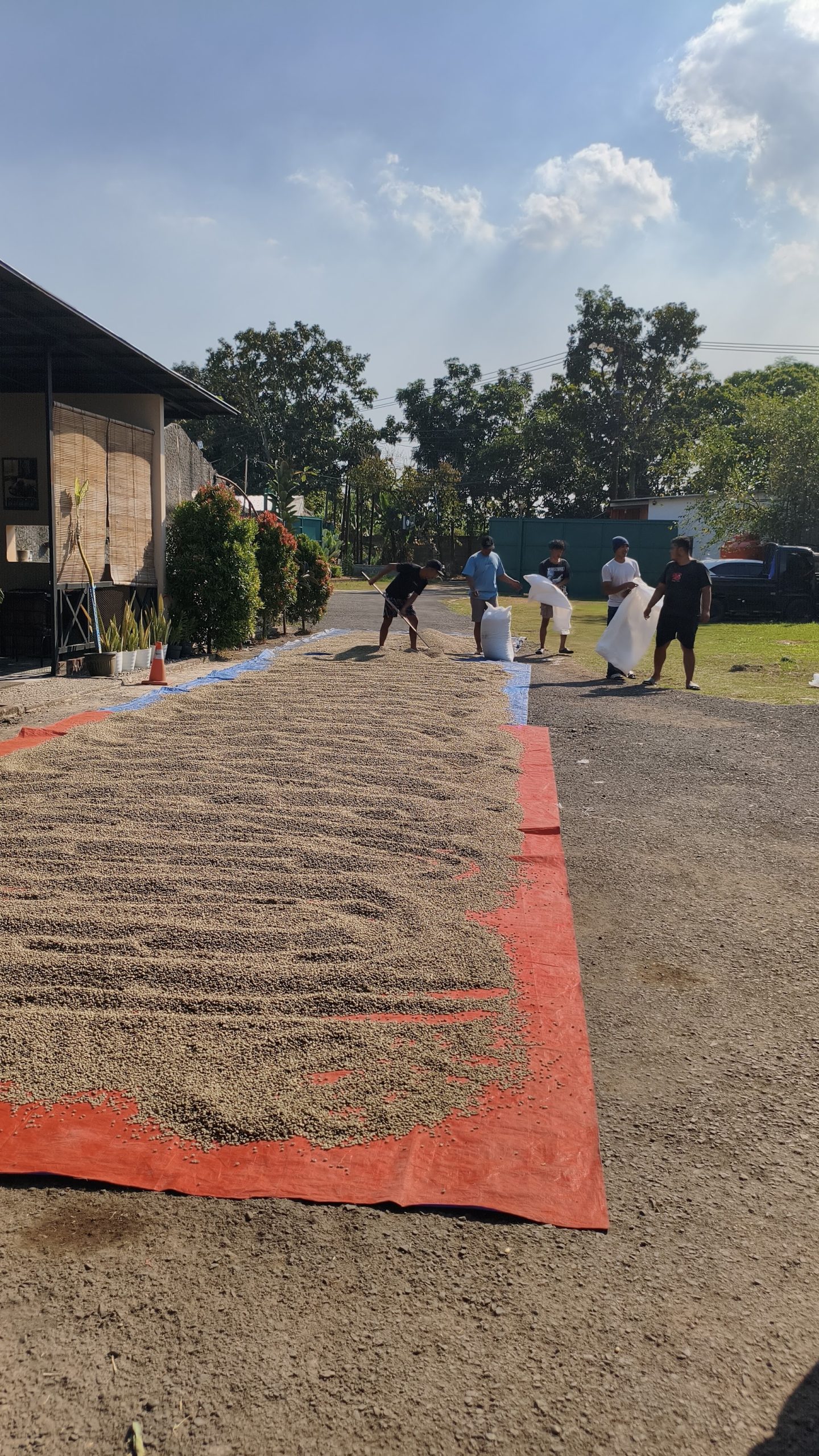
The same hillside can produce very different coffees depending on how the cherry is handled. Fully washed lots are clean and let the varietal and altitude show; semi-washed and wet-hulled lots carry the weight and earthiness many drinkers associate with Sumatra; honey processing keeps some of the fruit’s mucilage on the parchment during drying for extra sweetness; natural processing dries the whole cherry and produces the syrupy, fruit-forward cups that have made natural Gayo and Garut popular with specialty roasters. When you source Indonesian specialty coffee, specify the process, not only the region.
Sourcing specialty lots from Jaad Food
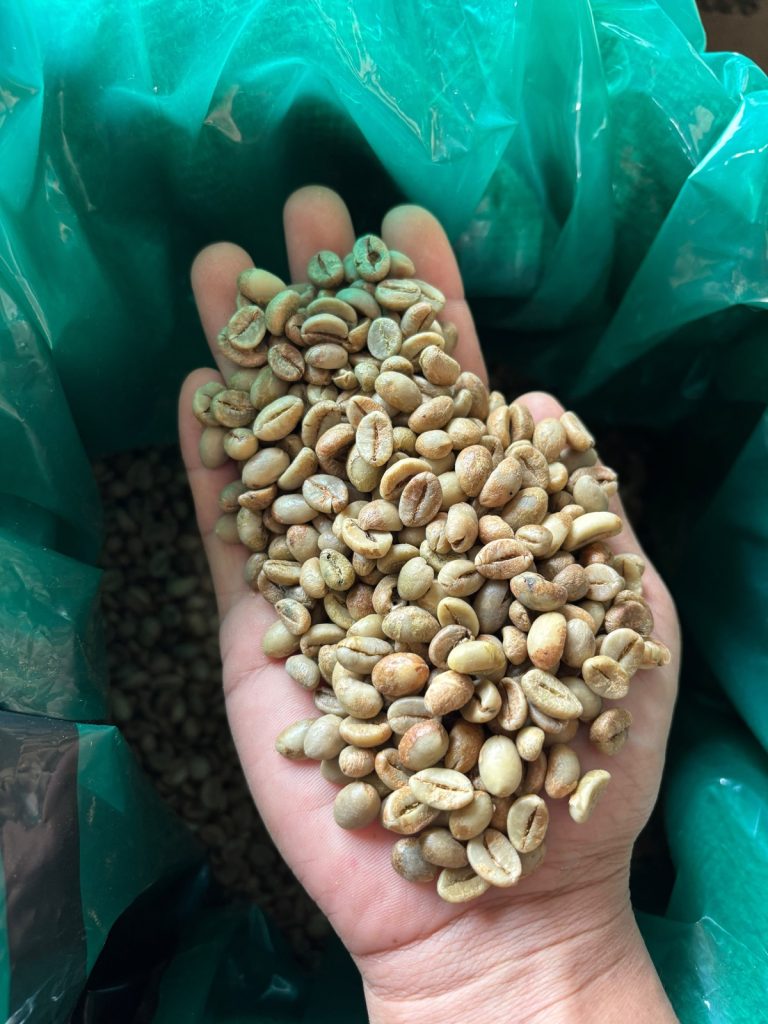
We buy from four Arabica origins we know by name — Java Preanger, Gayo, Kamojang and Garut — and record altitude, varietal and process for every lot, so the specification sheet you receive matches what is in the sack. Lots are moisture-checked and graded in our own warehouse in Bandung, and every shipment leaves with full export documentation. Samples go out from Bandung with the specification sheet and safety data sheet, so your quality team can cup the lot before you contract it.
Inside Indonesia, our roasted single origins are sold under the Jaad Coffee brand in the Single Origin Premium series, which is a convenient way to taste several origins side by side before planning a larger order.
Ready to explore Indonesian specialty coffee for your roastery or retail range? See our green and roasted coffee or request origin samples. Related reading: what determines green coffee quality.