
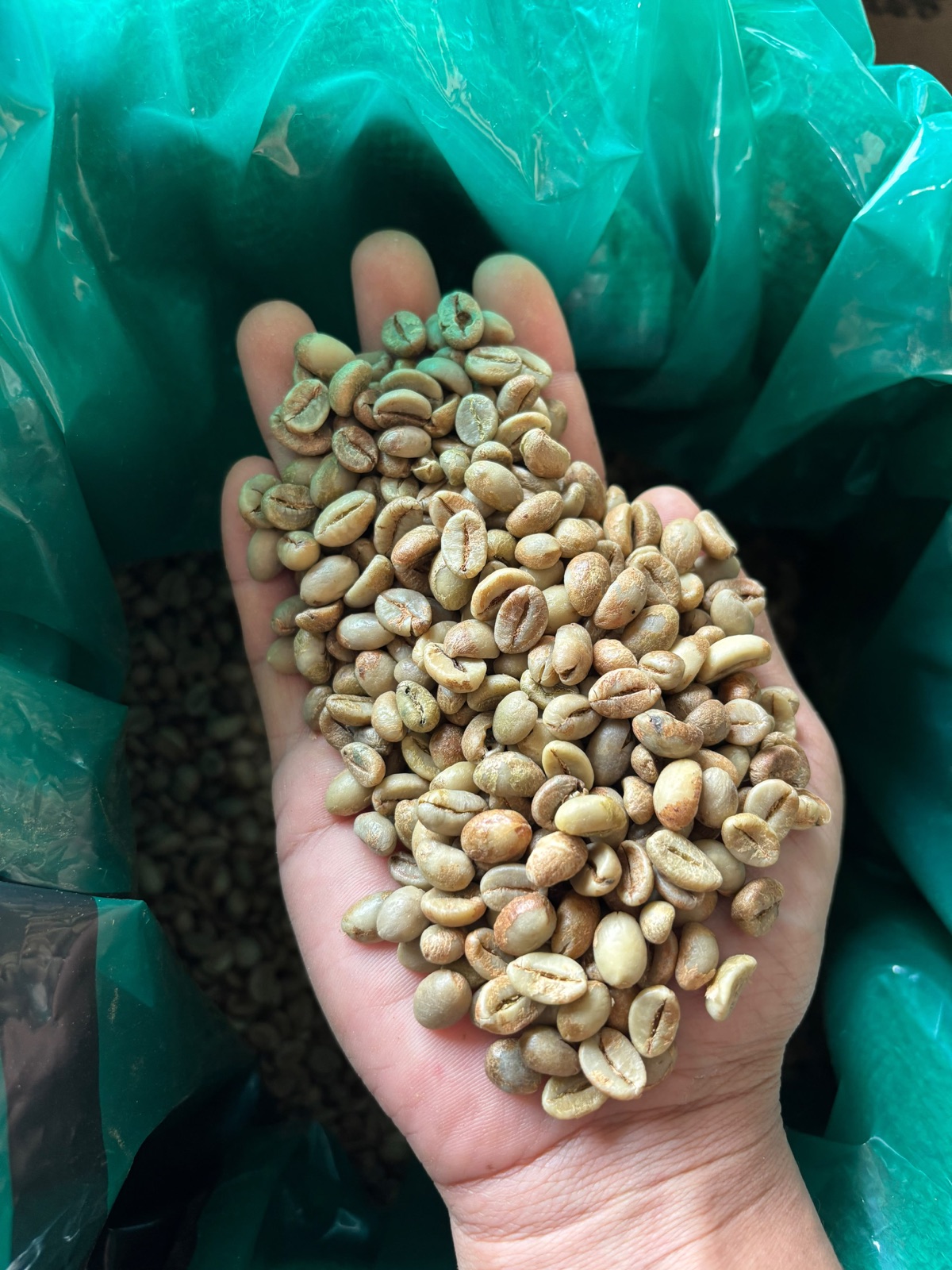

High-quality green coffee beans are the starting point of every great cup. Roasting can reveal what is in a bean, but it cannot add what was never there. This guide explains what determines the quality of green coffee before it reaches the roaster, how Indonesian green coffee is graded and what to look for on a specification sheet before you buy.
What “green coffee” means
Green coffee is the dried, unroasted seed of the coffee cherry after the fruit, mucilage and parchment have been removed. It is the form in which almost all coffee is traded internationally, because it keeps far longer than roasted coffee and lets the roaster decide the final flavour. Every green bean carries potential shaped by five things: origin and altitude, varietal, processing method, post-harvest handling, and how it was stored and shipped.
The variables that decide quality
- Altitude and region. Higher-grown Arabica ripens slowly and tends to develop denser beans with more complex acidity. Indonesian Arabica is typically grown between roughly 900 and 1,700 metres above sea level; Robusta grows well at lower elevations.
- Varietal. Typica, Lini S, Ateng and Catimor are among the common Arabica varietals in Indonesia, each with its own cup character and disease resistance. A specification sheet should name the varietal, not only the region.
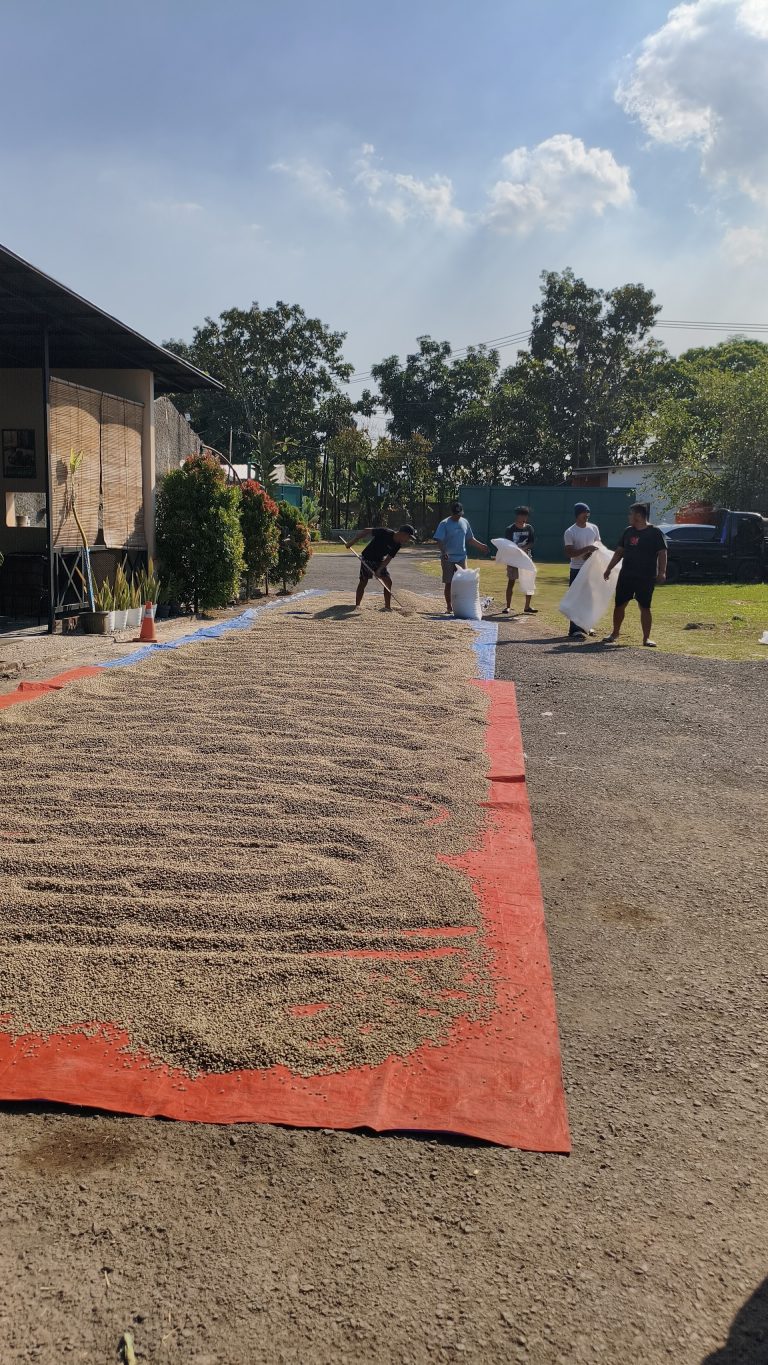
- Processing. Fully washed coffee is clean and bright; semi-washed and wet-hulled (giling basah) coffee has the heavier body Sumatra is known for; honey processing keeps part of the mucilage on the parchment for added sweetness; natural (dry) processing dries the whole cherry and produces fruit-forward, syrupy cups.
- Moisture content. Export green coffee is generally dried to around 10–12.5% moisture. Beans that are too wet risk mould in transit; beans that are too dry lose aroma and roast unevenly.
- Screen size and defects. Beans are sorted by size (screen 15, 16, 17 and above are common Arabica specifications) and graded by the number of defects — black, sour, broken or insect-damaged beans and foreign matter — in a standard 300–350 g sample.
- Crop year and storage. Fresh-crop coffee has more aroma than past-crop coffee. Jute or polypropylene sacks with a GrainPro-type liner protect the beans from moisture and odours during shipping.
Arabica, Robusta and Liberica from Indonesia
Indonesia produces all three commercially traded species, and each serves a different market. Arabica is known for its aromatic complexity and acidity and is the base of specialty and premium retail coffee. Robusta offers strong body, higher caffeine and stable crema, which is why it anchors many espresso blends and almost all instant coffee. Liberica, grown in smaller volumes, has a distinctive, sometimes smoky and fruity profile that is finding a niche among roasters looking for something unusual.
How to read a specification sheet
Before you approve a lot, ask the supplier for a product specification sheet and, for contracted shipments, a certificate of analysis. The sheet should state: region and altitude, varietal, process, crop year, moisture content, screen size, defect count or grade, and the packing format. If any of these are missing or described vaguely (“premium grade”, “high altitude”), ask for the number. A supplier who grades lot by lot will have it.
The origins Jaad Food buys from
We do not resell anonymous lots. These are the Arabica origins we buy from, with the numbers we put on the specification sheet:
| Origin | Region | Altitude | Varietal | Process | Cup |
|---|---|---|---|---|---|
| Java Preanger | West Java | 1,400 masl | Lini S, Ateng | Fully washed, semi-washed | Clean, balanced, high body |
| Gayo | Aceh, Sumatra | 1,600 masl | Typica, Catimor | Natural | Deep, syrupy, fruit-forward |
| Kamojang | West Java | 1,600 masl | Typica, Catimor | Honey | Sweet, tea-like, gentle acidity |
| Garut | West Java | 700–900 masl | Typica | Natural | Heavy, chocolatey, low acid |
Robusta and Liberica lots are available alongside these Arabica origins. Moisture, defect count and screen size are checked lot by lot in our own warehouse in Bandung before the coffee is bagged, and every shipment leaves with the export documents your customs broker needs.
Next step: cup it before you contract it
Samples go out from Bandung with the specification sheet and safety data sheet. Explore our green, roasted and instant coffee formats, or request green coffee samples by telling us your country, the grade you are looking for and the volume per shipment.
Related reading: why global demand for Indonesian coffee keeps growing and a tour of Indonesia’s specialty origins.